Introduction
Welcome to the magnificent world of the Valley of the Kings! In this article, “Must-See Tombs in the Valley of the Kings,” you’ll discover the final resting place of Egypt’s mighty pharaohs and nobles. Nestled on the west bank of the Nile, this ancient necropolis invites you to imagine walking through hallowed grounds where the echoes of history whisper through the ornate corridors and stunning hieroglyphics. Whether you’re a seasoned Egyptophile or a curious traveler, the Valley of the Kings offers an unparalleled glimpse into the splendor and mystery of ancient Egypt. Ready to explore the secrets of the pharaohs? Let’s dive in!
1. Overview of the Valley of the Kings
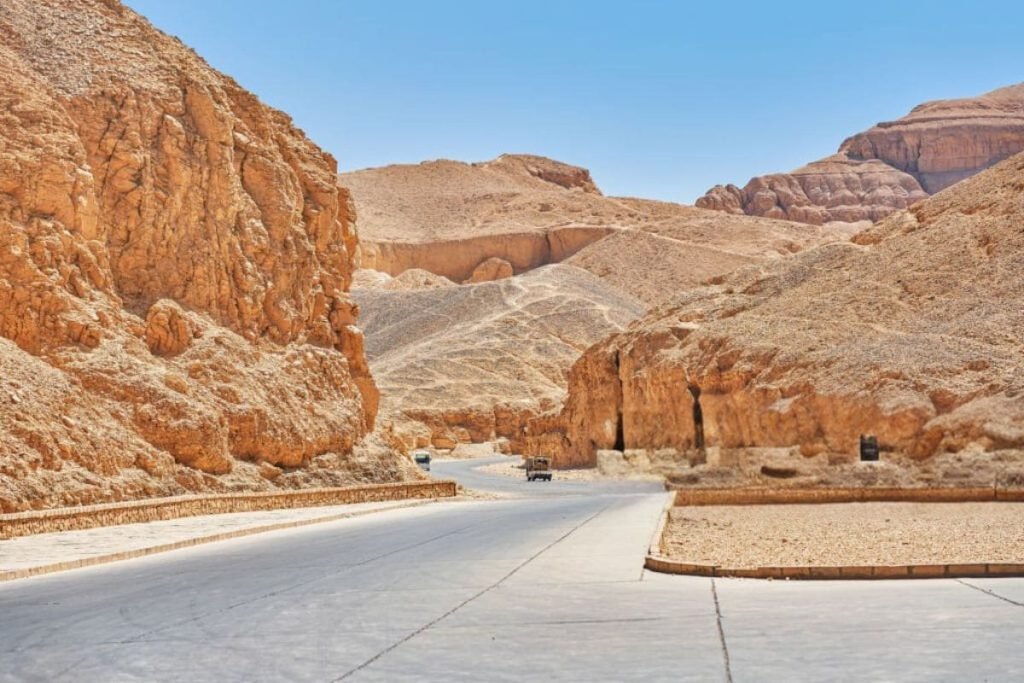
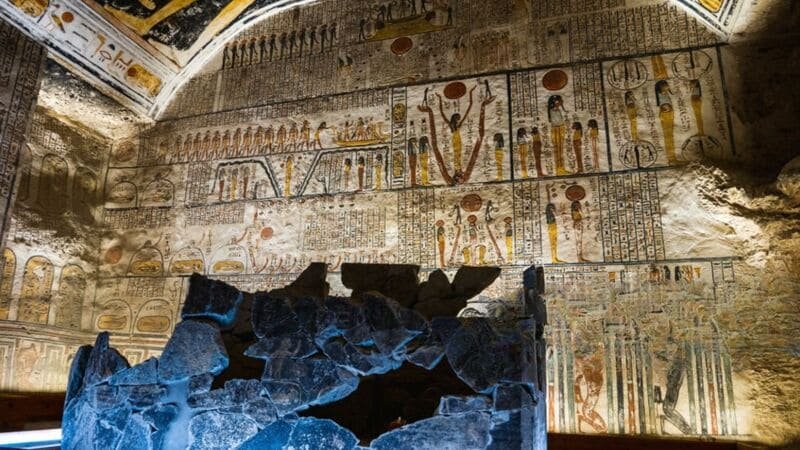
When you think of the Valley of the Kings, envision a place where time stands still, and the grandeur of ancient Egypt comes alive. This sacred site, chosen for its seclusion and mystical significance, was the royal burial ground for over 500 years during the New Kingdom period
Location and Historical Context
Perched on the west bank of the Nile, opposite modern-day Luxor the Valley of the Kings was strategically chosen for its remote location, providing both security and spiritual significance. The ancient Egyptians believed that the western side of the Nile was the land of the dead, aligning with the setting sun and the journey to the afterlife. This belief made the valley an ideal spot for the eternal rest of their rulers.
Importance in Ancient Egyptian Culture
The Valley of the Kings holds immense cultural importance as it was the final resting place of some of the most powerful and revered figures in Egyptian history. These tombs were not just burial sites but also magnificent monuments designed to honor the gods and ensure the pharaohs’ safe passage to the afterlife. Each tomb is a testament to the architectural prowess and religious devotion of the ancient Egyptians.
Overview of the Number and Types of Tombs
2. What to See in the Valley of the Kings
Exploring the Valley of the Kings is like stepping into an ancient storybook, each tomb a chapter filled with rich history and intricate artistry. Here are the must-see tombs and attractions that will make your visit unforgettable
王家の谷の必見の墓
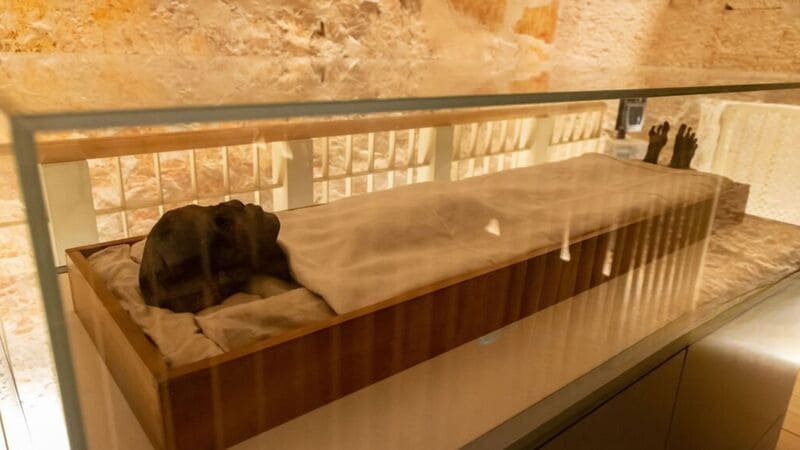
- Tomb of Tutankhamun (KV62): Perhaps the most famous of them all, the tomb of the young pharaoh Tutankhamun is renowned for its incredible wealth of artifacts and the mystery that surrounds his reign and untimely death. The tomb itself is relatively modest in size, but the treasures found within are nothing short of spectacular.
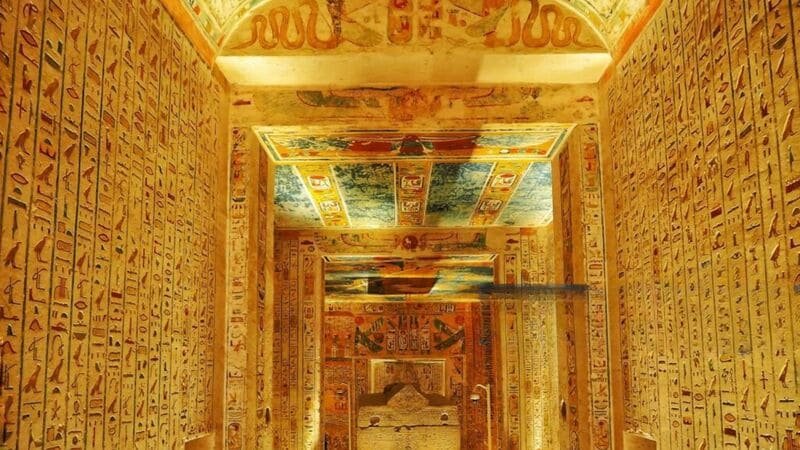
- Tomb of Ramses VI (KV9): This tomb is a marvel of ancient art, with its vibrant and well-preserved wall paintings depicting the pharaoh’s journey through the afterlife. The expansive corridors and detailed hieroglyphics make it a favorite among visitors.
- Tomb of Seti I (KV17): Known for its extensive and beautifully detailed decorations, the tomb of Seti I is one of the largest and most elaborate in the valley. The craftsmanship and artistry displayed here are a testament to the skill of ancient Egyptian artisans.
Best Tombs to Visit Based on Decorations and Preservation
- Tomb of Ramses III (KV11): This tomb is notable for its length and the quality of its decorations, including detailed scenes of the pharaoh’s military victories and religious rituals. The vivid colors and intricate designs have been remarkably well-preserved.
- Tomb of Horemheb (KV57): Although less famous than others, this tomb offers a unique glimpse into the transition between the 18th and 19th dynasties. Its decoration blends traditional and new elements, showcasing a fascinating period of change in Egyptian art.
Valley of the Kings Tomb Paintings and Hieroglyphics
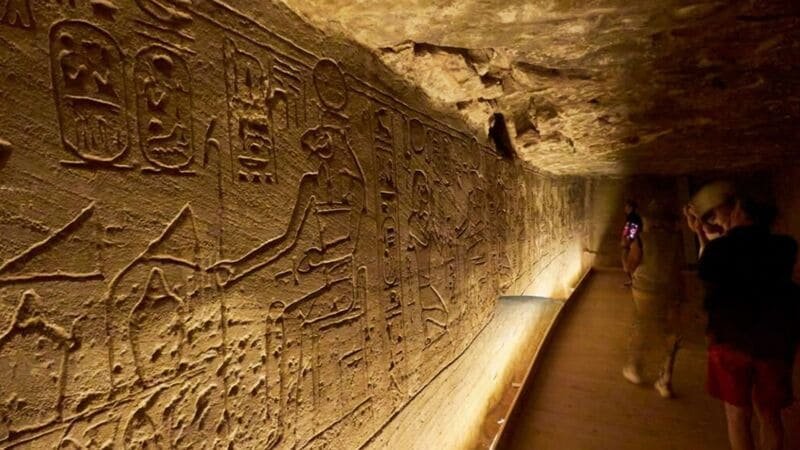
The tombs are adorned with stunning paintings and hieroglyphics that narrate the journey of the deceased through the afterlife. These artworks are not just decorative; they are deeply symbolic, representing the beliefs, rituals, and cosmology of ancient Egypt. As you explore, look out for scenes from the Book of the Dead, the Amduat, and other funerary texts that were intended to guide the pharaohs safely to the afterlife.
What makes these tombs stand out is not only their historical significance but also the sheer beauty and craftsmanship that have survived millennia. The vibrant colors, intricate carvings, and profound stories depicted on the walls create an experience that is both visually stunning and intellectually enriching.
Visiting Tombs in the Valley of the Kings
Planning a visit to the Valley of the Kings can be an exciting adventure. Here’s everything you need to know to make the most out of your trip.
Getting to the Valley of the Kings is relatively straightforward. Most visitors start from Luxor, which is just across the Nile. You can take a ferry, a taxi, or even a guided tour that will bring you directly to the site. The valley is well-signposted, and the main entrance provides maps and information to help you navigate.
Tickets for Valley of the Kings Tombs and Visitor Guidelines
Tickets are available at the main entrance, with options that include a standard ticket covering three tombs of your choice, and additional tickets for special tombs like those of Tutankhamun or Seti I. It’s a good idea to arrive early in the morning to avoid the midday heat and the largest crowds. Remember to wear comfortable shoes and bring water, as you’ll be doing a lot of walking.
Guided Tours of the Valley of the Kings and Their Benefits
While it’s possible to explore on your own, hiring a guide can greatly enhance your experience. Knowledgeable guides provide valuable insights into the history, significance, and stories behind each tomb, making your visit much more enriching. They can also navigate the site efficiently, ensuring you see the highlights without getting overwhelmed.
Tips for Making the Most of Your Trip
- Timing: The best time to visit is early in the morning or late afternoon when the temperatures are cooler, and the light is perfect for photography.
- Preparation: Bring a hat, sunscreen, and plenty of water. The desert sun can be intense, and there’s minimal shade in the valley.
- Respect: Remember that the Valley of the Kings is a historical and cultural treasure. Follow all guidelines, avoid touching the walls, and respect the preservation efforts.
Historical and Archaeological Insights
- The Valley of the Kings is not just a site of ancient tombs; it is a living archaeological treasure trove that continues to reveal secrets about Egypt’s past.
Valley of the Kings Tomb Discoveries and Famous Finds
-
The most famous discovery in the Valley of the Kings is undoubtedly the tomb of Tutankhamun, found by Howard Carter in 1922. The tomb was nearly intact, and the treasures found within provided invaluable insights into ancient Egyptian life and burial practices. Other significant discoveries include the tomb of Ramses II and the tomb of Seti I, each revealing unique artifacts and historical data.
Valley of the Kings Archaeology and Ongoing Research
Archaeological research in the Valley of the Kings is ongoing. Modern technology, such as ground-penetrating radar and advanced imaging techniques, continues to uncover hidden chambers and artifacts. These discoveries help archaeologists piece together the lives of the pharaohs and their burial customs. Recent excavations have even suggested the presence of undiscovered tombs, sparking renewed interest and exploration.
Historical Tombs and Their Significance
Each tomb in the Valley of the Kings holds historical significance. For example, the tomb of Thutmose III is notable for its unique layout and the fact that it was carved high into a cliff face. The tomb of Amenhotep II stands out due to its well-preserved mummies and intricate wall paintings. These tombs provide a wealth of information about the political, religious, and social aspects of ancient Egypt.

What New Discoveries Are Still Being Made Today?
Despite the extensive research already conducted, new discoveries are still being made. Recent findings include additional artifacts, unknown tombs, and even new theories about the construction and use of the tombs. These ongoing discoveries highlight the Valley of the Kings as an ever-evolving source of historical knowledge.
The Valley of the Kings is not just a relic of the past but a vibrant site of ongoing discovery. Each new find adds a piece to the puzzle of ancient Egyptian civilization, making the valley a perpetual source of wonder and learning.
5. Preservation and Challenges
The Valley of the Kings, with its wealth of ancient treasures, faces numerous challenges in preservation. Here’s a look at the efforts to protect these historical sites and the obstacles they encounter.
Valley of the Kings Tomb Preservation Initiatives
Preserving the tombs in the Valley of the Kings is a complex task that involves various initiatives. Conservation teams work tirelessly to stabilize the structures, restore damaged paintings, and prevent further decay. These efforts often include installing new ventilation systems to control humidity, which can cause significant damage to the delicate murals and hieroglyphics.
Challenges Faced in Maintaining These Historical Sites
The Valley of the Kings faces several preservation challenges. Tourism, while economically beneficial, poses a threat to the fragile tombs. The sheer number of visitors can accelerate wear and tear, leading to the deterioration of paintings and carvings. Additionally, environmental factors such as rising groundwater levels and flash floods threaten the integrity of these ancient structures.
The Role of Modern Technology in Preservation
Modern technology plays a crucial role in the preservation of the Valley of the Kings. Techniques such as 3D scanning and digital imaging allow for detailed documentation of the tombs, creating a virtual record that can be studied and used for restoration purposes. These technologies also enable researchers to detect structural weaknesses and hidden features without causing physical damage.
How Can We Help Preserve These Ancient Wonders for Future Generations?
Preservation is not just the responsibility of archaeologists and conservationists; visitors can also contribute. By following guidelines, such as not touching the walls and minimizing flash photography, tourists can help reduce the impact on these fragile sites. Additionally, supporting organizations that focus on preservation efforts through donations or participation in awareness campaigns can make a significant difference.
Preserving the Valley of the Kings is a race against time, but with concerted efforts and modern technology, we can ensure that these magnificent relics endure for future generations to marvel at and learn from.
6. Personal Experiences and Tips
Exploring the Valley of the Kings is not just about observing ancient history; it’s about immersing yourself in a journey that connects you to the past in a profound way. Here are some personal experiences and practical tips to enhance your visit.
Personal Experiences in the Valley of the Kings Tombs
Walking through the tombs, you can’t help but feel a sense of awe and reverence. One of my most memorable experiences was standing in the Tomb of Ramses VI, where the vivid colors and intricate details of the wall paintings seemed to transport me back in time. The sense of history is palpable, and each tomb has its unique atmosphere and story to tell.
Photography Tips for Capturing the Beauty of the Tombs
Photography in the Valley of the Kings can be challenging due to low light conditions and restrictions in certain areas. Here are some tips to capture the best shots:
- Use Natural Light: Early morning or late afternoon light is ideal for exterior shots. Inside the tombs, look for areas where natural light filters in to highlight details.
- Avoid Flash: Flash photography is often prohibited as it can damage the paintings. Use a high ISO setting on your camera to capture details in low light.
- Focus on Details: Instead of trying to capture entire scenes, focus on intricate details like hieroglyphics, carvings, and patterns.
Hidden Gems and Less-Known Tombs Worth Visiting
- Tomb of Ay (WV23): This tomb is often overlooked but features beautiful decorations and provides a more intimate exploration experience.
- Tomb of Thutmose III (KV34): Known for its unusual layout and location high in the cliffs, this tomb offers a sense of adventure and discovery.
- Tomb of Queen Nefertari (QV66): Though not technically in the Valley of the Kings but in the nearby Valley of the Queens, this tomb is a masterpiece of ancient art and is well worth the visit.
Off-the-Beaten-Path Tombs to Explore
For those looking to explore beyond the main attractions, there are several off-the-beaten-path tombs that provide a quieter and equally enriching experience. Tombs like KV19 (Tomb of Mentuherkhepeshef) and KV2 (Tomb of Ramses IV) offer fascinating insights with fewer visitors, allowing for a more personal and reflective visit.
結論
As our journey through the Valley of the Kings draws to a close, we’re left with a profound sense of awe and appreciation for the ancient world. From the mystical Tomb of Tutankhamun to the vividly depicted corridors of Ramses VI, each site within this historic necropolis tells a story of life, death, and the pursuit of immortality. These tombs are not merely silent resting places of the pharaohs; they are vibrant galleries of art and history, echoing the ambitions and spiritual beliefs of a civilization that has long captivated the world’s imagination. Whether you’re a history enthusiast or a wanderlust traveler, the Valley of the Kings promises an adventure that is as enlightening as it is breathtaking. So pack your curiosity and respect for the past, and prepare to walk in the footsteps of kings—truly, what more could you want from an encounter with history?