Bab Zuweila: Islamic Cairo’s Ancient Southern Gate
Imagine standing at the threshold of a colossal stone giant—two towering minarets rising like ancient sentinels guarding the secrets of centuries. This is Bab Zuweila, one of the last surviving gates of medieval Cairo, where the city’s past and present collide in a mosaic of history, culture, and awe-inspiring architecture.
The first time I stood beneath its massive archway, I felt as though I had stepped into a storybook—where every chisel mark and every carved inscription whispered tales of dynasties, traders, and pilgrims who passed through this very portal. It’s not just a gate; it’s a silent witness to the rise and fall of empires, a gateway that has seen Cairo transform from a fortified stronghold to the sprawling metropolis it is today.
For those craving more than just the surface of Cairo’s glimmering modernity, Bab Zuweila offers a rare passage into the heartbeat of Islamic Cairo. It invites travelers to explore a living monument, where every stone tells a story, and every step echoes with history.
1. Historical Background of Bab Zuweila
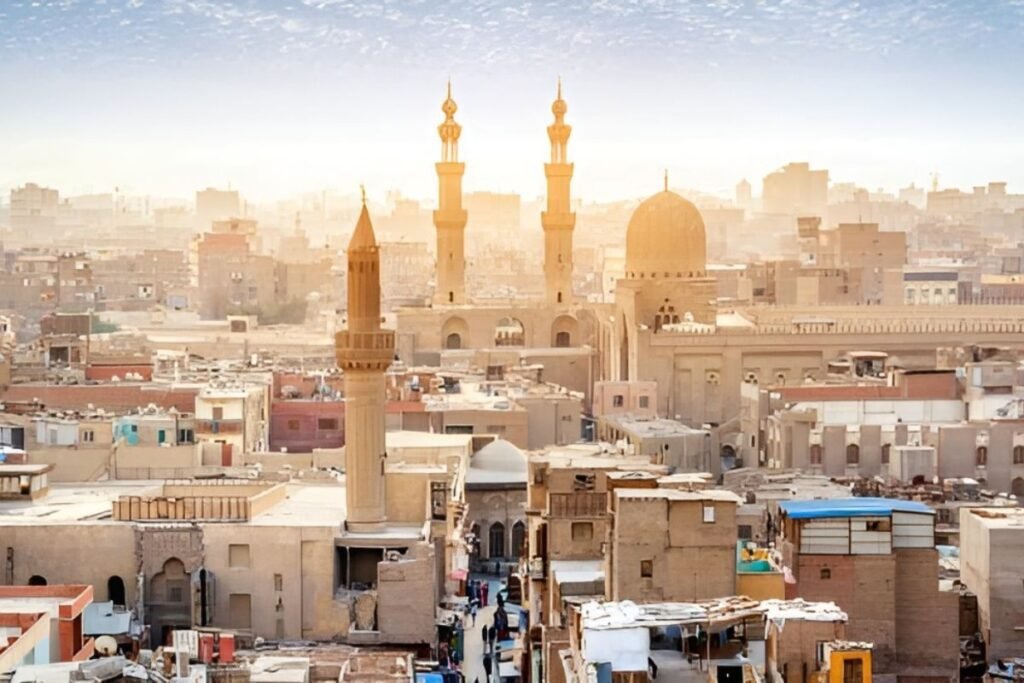
Bab Zuweila’s story begins in the 11th century, during the Fatimid era—a time when Cairo was still young, encircled by formidable walls meant to protect it from invaders. Picture a city walled like a fortress, with gates that functioned as both shield and spectacle. Bab Zuweila was among the grandest, designed to be a gateway that guarded not only the city but its very identity.
In its heyday, Bab Zuweila wasn’t merely a passage for merchants and citizens. It played a dramatic role in the life of medieval Cairo, serving as a stage for public events—some joyous, others grim. This gate bore witness to grand proclamations and, chillingly, to public executions, its stones absorbing the gravity of justice dispensed beneath its shadow.
Walking through Bab Zuweila, you can almost hear the echoes of those past crowds, the clamor of horses’ hooves and the murmur of market chatter mingling with solemn ceremonies. It was a place of both defense and display—a living heart of a city that thrived on commerce, culture, and sometimes, confrontation.
Perspectivas Islámicas: El Gran Recorrido Islámico de un Día por El Cairo
2. Architectural Features and Design
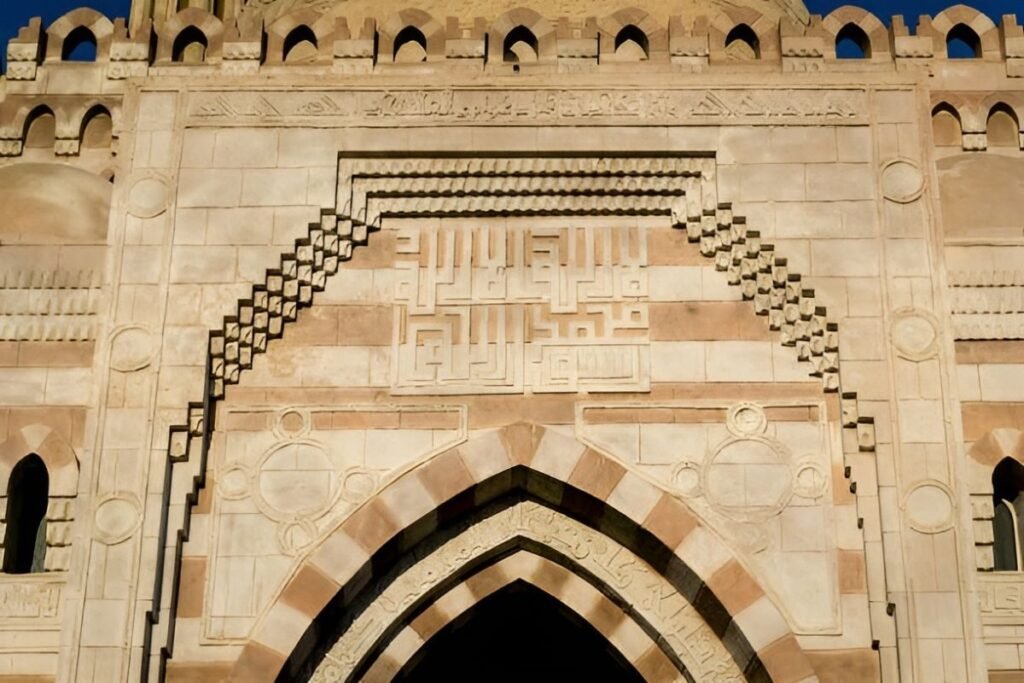
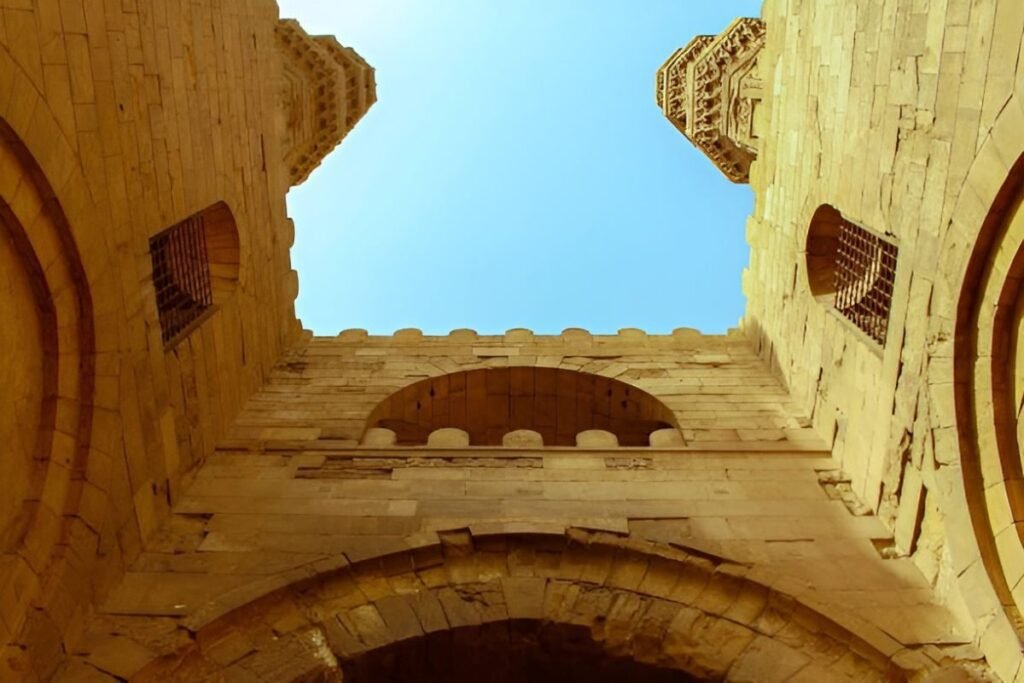
Bab Zuweila stands like a fortress from a fairy tale—its twin minarets rising proudly into the sky, piercing the Cairo skyline like watchful eyes. These minarets aren’t just decorative flourishes; they served as lookout posts and the place from which the call to prayer once echoed across the city, stitching the community together through sound and spirit.
The gate’s massive stone walls feel as solid as the history they hold, their rough texture a tactile reminder of the many hands that built and rebuilt them over the centuries. As you run your fingers along the cool, worn stone, you can almost feel the weight of time pressing down—each crack and crevice telling tales of battles fought, festivals celebrated, and the relentless pulse of urban life.
What makes Bab Zuweila truly unique among Cairo’s gates is this combination of military strength and artistic finesse. Ornate Islamic inscriptions adorn the walls, intricate geometric patterns weave across the surfaces like a tapestry in stone, and delicate arabesques breathe life into the fortress’s otherwise formidable exterior. It’s a perfect blend of function and beauty, a stone poem that tells stories without words.
Climbing the narrow staircases to the rooftop terraces is like ascending to the city’s watchtower. From here, the sprawling labyrinth of Islamic Cairo unfurls beneath you—a patchwork of domes, minarets, and winding streets, alive with history and everyday bustle. Standing atop Bab Zuweila, you don’t just see Cairo; you feel it—its ancient heartbeat syncing with your own.
3. Cultural and Social Role in Islamic Cairo
Bab Zuweila isn’t just a relic frozen in time—it’s a living, breathing part of the neighborhood’s vibrant social fabric. Imagine it as the grand old gatekeeper of Islamic Cairo’s bustling life, where the pulse of tradition and community beats strongest.
Around Bab Zuweila, narrow streets lead you to bustling markets overflowing with spices, textiles, and handmade crafts, creating a sensory symphony of colors, scents, and sounds. This gate has long been a hub where locals gather—not just to trade goods, but to exchange stories, celebrate festivals, and connect across generations.
One afternoon, I found myself chatting with a local shopkeeper who shared legends passed down about the gate—stories of sultans who once rode beneath its arches and of celebrations marking the end of Ramadan that lit up the neighborhood with joy and light. For residents, Bab Zuweila is more than stone and mortar; it’s a symbol of identity and continuity.
The gate’s proximity to historic mosques and community centers means it’s always at the heart of religious and social life. Festivals transform the surrounding streets into vibrant stages of cultural expression, with traditional music, prayer gatherings, and communal meals—making Bab Zuweila a gateway not just to the city, but to its soul.
El Corazón Espiritual de El Cairo: Excursión Privada de un Día por El Cairo Islámico
4. Visiting Bab Zuweila Today
Visiting Bab Zuweila today feels like stepping into a story still unfolding. The gate stands proudly amidst the lively hum of Islamic Cairo’s streets, inviting travelers to climb its ancient stairs and experience the city from a perspective few get to see.
I remember my first climb up the narrow, winding staircase—each step creaking underfoot, the walls closing in like the pages of a history book. As I reached the top, the effort was rewarded with a breathtaking panorama: a sea of domes and minarets stretching to the horizon, the call to prayer ringing faintly in the distance. It was a moment of quiet awe, where past and present merged.
For those planning a visit, the best time is late afternoon, just before sunset. The golden light bathes the gate in warmth, and from the rooftop, you can watch Cairo transform as lights begin to twinkle across the cityscape. Early mornings are also lovely, with fewer crowds and a peaceful atmosphere perfect for reflection.
Entrance is modestly priced, and local guides are available who bring Bab Zuweila’s history to life with captivating stories and insights. Climbing the minarets requires a reasonable level of fitness, but the experience is well worth it—just be mindful of the steep steps and bring water, especially in summer.
After your visit, take a stroll through the nearby markets or relax at a local café where the aroma of freshly brewed tea and spices invites you to savor the moment. Bab Zuweila is more than a stop on your itinerary—it’s a doorway to the heart of Islamic Cairo’s living heritage.
5. Preservation and Significance
Bab Zuweila stands not just as a monument of stone but as a guardian of Cairo’s soul, a symbol of resilience amid the city’s constant evolution. Yet preserving such an ancient marvel is no easy task. I once spoke with a local conservator who described the delicate balance of maintaining Bab Zuweila’s structural integrity while respecting its historical authenticity—“It’s like caring for an old friend,” she said, “you want to keep their stories alive without changing who they are.”
Conservation efforts have focused on repairing weathered stones, stabilizing the gate’s foundations, and protecting the intricate inscriptions that tell its story. Challenges abound—pollution, urban encroachment, and the pressures of modern life threaten to obscure this gateway’s legacy. But local and international initiatives have rallied to ensure Bab Zuweila continues to stand proudly for generations to come.
More than a historic site, Bab Zuweila plays a vital educational role. Schools, tourists, and locals alike visit to connect with Cairo’s Islamic heritage firsthand. It reminds us that history is not just found in books or museums but in the stones we walk past every day.
Bab Zuweila remains a powerful symbol—a gateway not only to a city but to the rich cultural identity that defines Islamic Cairo. Standing beneath its towering arches, you don’t just glimpse the past; you feel the enduring spirit of a city that embraces its history while looking boldly to the future.
Conclusión
Bab Zuweila is far more than an ancient gate; it is a living testament to Cairo’s vibrant past and its ever-evolving present. Standing beneath its towering minarets, you’re not just looking at stone—you’re stepping into the heartbeat of Islamic Cairo, where every carved detail and weathered brick tells a story of resilience, culture, and community.
For travelers seeking a deeper connection to Egypt’s history, Bab Zuweila offers an unforgettable journey—a chance to climb ancient stairs, breathe in centuries of tradition, and witness the city from a vantage point few get to experience. It’s a reminder that history is not distant or dusty but alive and waiting to be discovered in the everyday streets and stones of Cairo.
So next time you find yourself wandering the labyrinth of Islamic Cairo, let Bab Zuweila be your gateway—both literally and figuratively—into the timeless spirit of this extraordinary city. Your adventure through history awaits.