How KV Numbers Work: A Simple Guide to the Valley of the Kings
Introduction
Step into the A Simple Guide to the Valley of the Kings, and you’ll be greeted by a desert landscape that hides some of the greatest secrets of ancient Egypt. For travellers, the first challenge isn’t the heat or the sand—it’s the signs: KV1, KV5, KV62. These little codes appear on maps, tickets, and guidebooks, leaving many visitors wondering: What do they mean?
The answer is simpler—and far more fascinating—than you might expect. KV numbers are not random. They are part of a cataloguing system used by archaeologists and Egyptologists to keep track of the dozens of tombs carved into the cliffs near Luxor. Understanding how these numbers work doesn’t just help you navigate the site—it also deepens your appreciation of the Valley of the Kings and its extraordinary history.
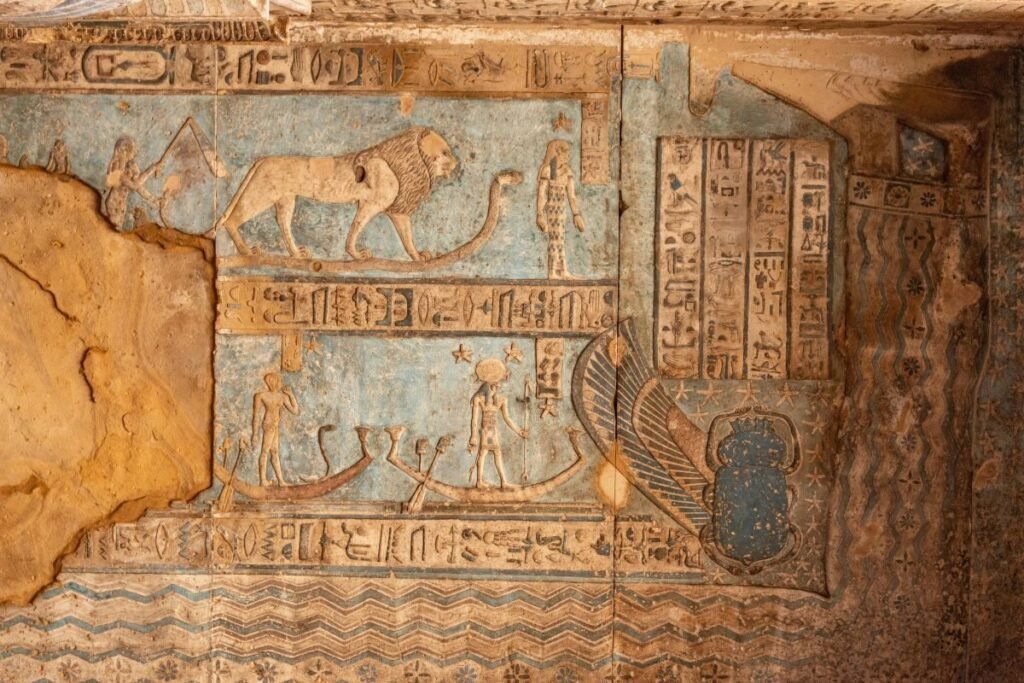
Painted ceiling with lions and solar boats symbolising the journey of the sun through the afterlife
A Simple Guide to the Valley of the Kings
“KV” stands for Kings’ Valley, the eastern section of the necropolis where most of the royal tombs are located. Each tomb in this area is given a KV prefix followed by a number in the order it was documented by archaeologists.
For example:
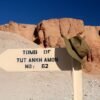
KV62 → The 62nd tomb recorded in the Valley of the Kings, world-famous as the tomb of Tutankhamun.
WV23 → The 23rd tomb in the West Valley, the smaller and less-visited section of the necropolis, belonging to Pharaoh Ay.
This numbering system is essential because many Egyptian pharaohs shared the same names across dynasties. Instead of confusion, the KV and WV labels allow both researchers and visitors to identify tombs quickly and accurately. When you see KV1, KV35, or KV62 on a ticket or guidebook, you’ll know exactly which tomb is being referenced—and where to find it within the Valley of the Kings.
luxor travel guide
How the KV Numbering System Works
In the 18th and 19th centuries, European explorers and local diggers began systematically recording tombs in the Valley of the Kings. Each new discovery was simply given the next available number in sequence.
It’s important to note that these numbers do not indicate when the tombs were built—only the order in which they were catalogued.
For example:
KV1 belongs to Ramses VII, even though he ruled much later than some of the pharaohs whose tombs carry higher numbers.
KV62, the tomb of Tutankhamun, doesn’t mean he was the 62nd king. It simply means his resting place was the 62nd tomb to be officially recorded.
Think of the KV system like house numbers on a street: they guide you to the right location, but they don’t reveal who moved in first. For visitors to the A Simple Guide to the Valley of the Kings, this system makes it far easier to explore a site filled with overlapping dynasties, repeated royal names, and dozens of tombs scattered across the cliffs.
the golden funerary mask of tutankhamun on display in cairo museum attracting visitors worldwide
Famous KV Tombs and Their Stories
Each KV number in the Valley of the Kings opens the door to a unique story:
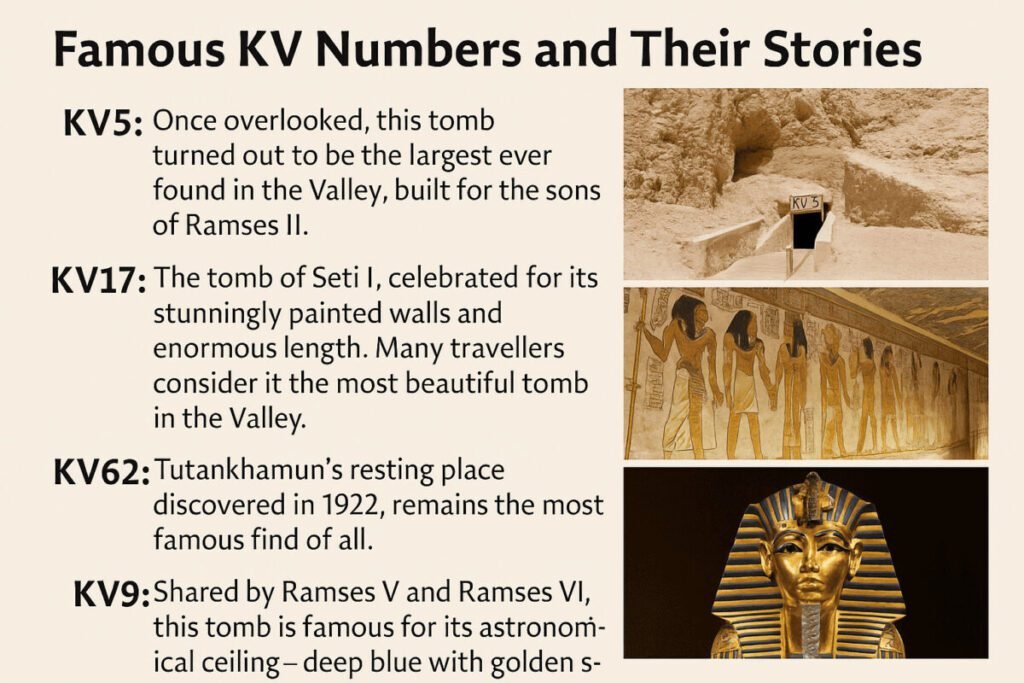
KV5 – Once overlooked, this tomb turned out to be the largest ever discovered in the Valley. Built for the sons of Ramses II, archaeologists have uncovered more than 120 chambers—an entire underground labyrinth of history.
KV17 – The tomb of Seti I, renowned for its exquisite painted walls and extraordinary length. Many travellers regard it as the most beautiful tomb in the Valley.
KV62 – The resting place of Tutankhamun, discovered by Howard Carter in 1922. Though modest in size, its treasures stunned the world and remain the most famous archaeological find in Egypt.
KV9 – Built for Ramses V and Ramses VI, this tomb is celebrated for its astronomical ceiling: a deep blue sky dotted with golden stars, mapping the heavens to guide the kings into eternity.
By understanding these KV numbers, visitors can easily connect the site with its stories, turning the Valley of the Kings into a living guidebook of Ancient Egypt.
guide to the most famous tombs in the valley of the kings from kv5 to kv62
Why KV Numbers Matter to Archaeologists
For archaeologists, KV numbers are more than labels—they are a universal language. Tombs often had multiple names over the centuries: locals might call one “the tomb of the harper,” while an explorer might name it after himself. KV numbers eliminate confusion.
They also provide consistency for conservation and research. When scholars write about KV62, there’s no doubt which tomb they mean. When restoration teams plan work on KV17, records remain precise. The system allows Egypt’s hidden necropolis to be mapped, catalogued, and studied with scientific clarity.
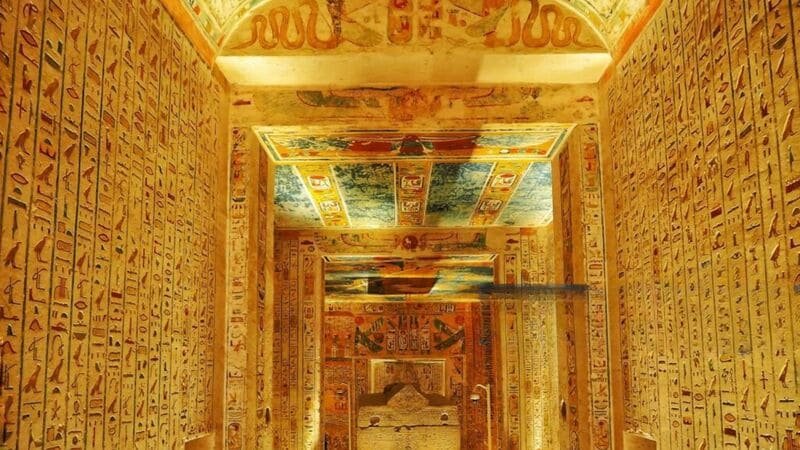
The richly decorated walls of a tomb in the Valley of the Kings, featuring hieroglyphics and paintings that narrate ancient Egyptian stories and beliefs.
How Tourists Use KV Numbers Today
As a traveller in Luxor, you’ll find KV numbers printed on your entrance tickets, displayed on maps, and even painted on the signs above tomb entrances.
Practical tip: remembering a few of the most important numbers makes exploring easier. If you want to see Tutankhamun, look for KV62. If you’re fascinated by art, head to KV17 (Seti I). For sheer scale, KV5 is unforgettable. And for cosmic wonder, don’t miss KV9 (Ramses VI).
Knowing these numbers gives you a sense of orientation—transforming what might seem like a confusing list of caves into a coherent royal cemetery.
Other Valleys and Their Numbering
The Valley of the Kings isn’t alone. The nearby West Valley (WV) has its own numbering system. WV23, for example, is the tomb of Ay, Tutankhamun’s successor. It’s less visited but adds depth to the story of the New Kingdom.
Together, KV and WV numbers form an organised map of the necropolis. They help travellers, archaeologists, and historians alike move through this ancient landscape with clarity and purpose.
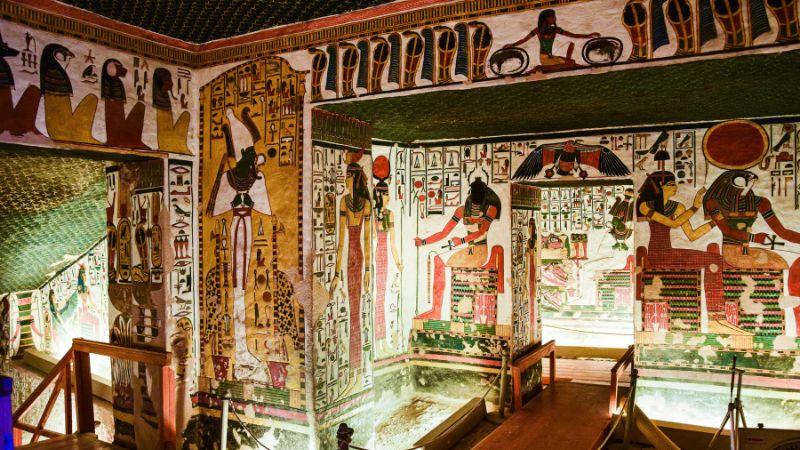
Explore the vibrant artwork and sacred inscriptions inside an ancient tomb in the Valley of the Kings
Conclusion
So, how do KV numbers work? They are a cataloguing system: KV for Kings’ Valley, WV for West Valley, followed by the order in which tombs were recorded. They don’t reveal chronology but serve as a practical key—helping us unlock one of the world’s most extraordinary burial grounds.
For visitors, learning these numbers adds an extra layer of meaning. Instead of wandering blindly, you can walk the Valley with confidence, tracing the stories of Ramses, Seti, and Tutankhamun through their coded doors.
The next time you stand at the entrance to KV62, remember: behind those two letters and two numbers lies not just a tomb, but a world of history waiting to be explored.
Faris is the passionate founder of Travel2Egypt, deeply connected to Aswan’s essence. He aims to share the true heart of Egypt through its rich history, vibrant culture, and the warmth of its people. Join Faris to experience the magic of Aswan beyond the usual tourist paths.