The Red Sea’s clear waters and rich history make it a treasure trove for underwater archaeology and wreck diving. From WWII freighters to 19th-century steamships, many ships met their fate on these coral reefs, turning into time capsules beneath the waves. Below we explore two legendary wreck areas – the SS Thistlegorm and the Abu Nuhas Reef – including their historical tales, dive conditions, and the marine life now calling them home. We’ll also highlight Egypt’s Red Sea coastal towns and what each offers in diving, culture, relaxation, and nightlife, with tips for adventure seekers, luxury travelers, and families.
Exploring Historic Wrecks Beneath the Waves
SS Thistlegorm – A WWII Time Capsule on the Seafloor
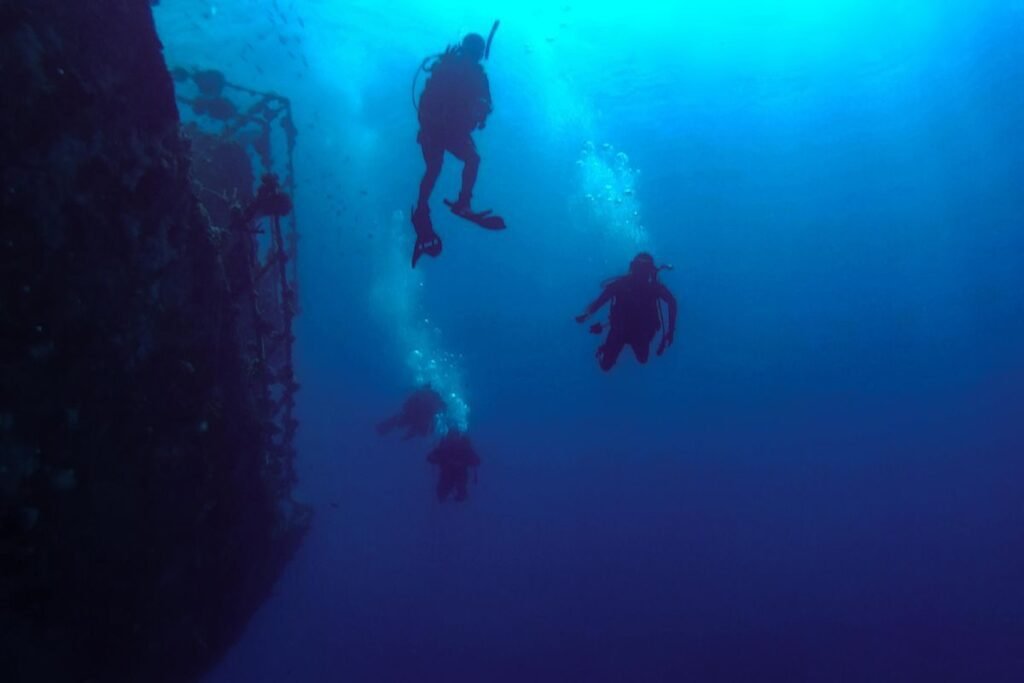
The SS Thistlegorm is often hailed as one of the world’s most iconic wreck dives – essentially an underwater museum filled with World War II artifacts. This 415-foot British cargo steamship was launched in 1940 and loaded with military supplies for Allied forces – rifles, motorbikes, trucks, even two locomotives on deck. In October 1941, while waiting at “Safe Anchorage F” near the Sinai Peninsula, the Thistlegorm was bombed by German aircraft, detonating its munitions and ripping the ship in half. The wreck sank to the seafloor (depth ~16–30 m) with much of its cargo still intact, turning it into a riveting time capsule of WWII history. Legendary explorer Jacques-Yves Cousteau discovered the site in the 1950s, but it wasn’t until the 1990s that recreational divers began flocking to it.
Diving the Thistlegorm is a journey back in time – finning through cargo holds reveals rows of BSA and Norton motorcycles, trucks, rifles, Wellington boots, and other wartime supplies preserved in the ship’s belly. On the intact bow section (sitting upright ~18 m deep) you can see the deck-mounted anti-aircraft gun and the locomotive wheels that were hurled off during the explosion. The stern lies on its port side about 30 m deep, with its propeller and guns still visible. Surrounding this eerie historical scenery is a wealth of marine life – expect to encounter soldierfish and sweepers schooling in the shadowy holds, camouflaged crocodilefish on decks, swirling batfish, trevally on patrol, and even hawksbill turtles browsing the encrusted wreckage. The site has essentially become an artificial reef over decades, so divers get a mix of history and marine biology in one dive.
Diving conditions: Thistlegorm is considered an advanced dive. Strong currents are common in the Strait of Gubal where the wreck lies. Visibility is typically 15–30 m, and water temperatures range from ~20°C in winter up to ~27–28°C in summer. The relatively shallow depth of the main decks (around 15–20 m) allows plenty of bottom time, but penetrating the cargo holds in the dark can be disorienting, so good buoyancy and an appropriate certification (or guide) are recommended. Because it’s such a popular site, it can get crowded. Many divers visit via liveaboard trips that arrive at dawn or after dusk to avoid the day-boat rush from Sharm El Sheikh. Planning for an early dive not only means fewer fellow divers but also increases the chance to spot nocturnal creatures on a night dive. Overall, exploring the SS Thistlegorm offers a thrilling combination of underwater archaeology and adventure – you’re swimming through a piece of WWII history that’s now teeming with life.
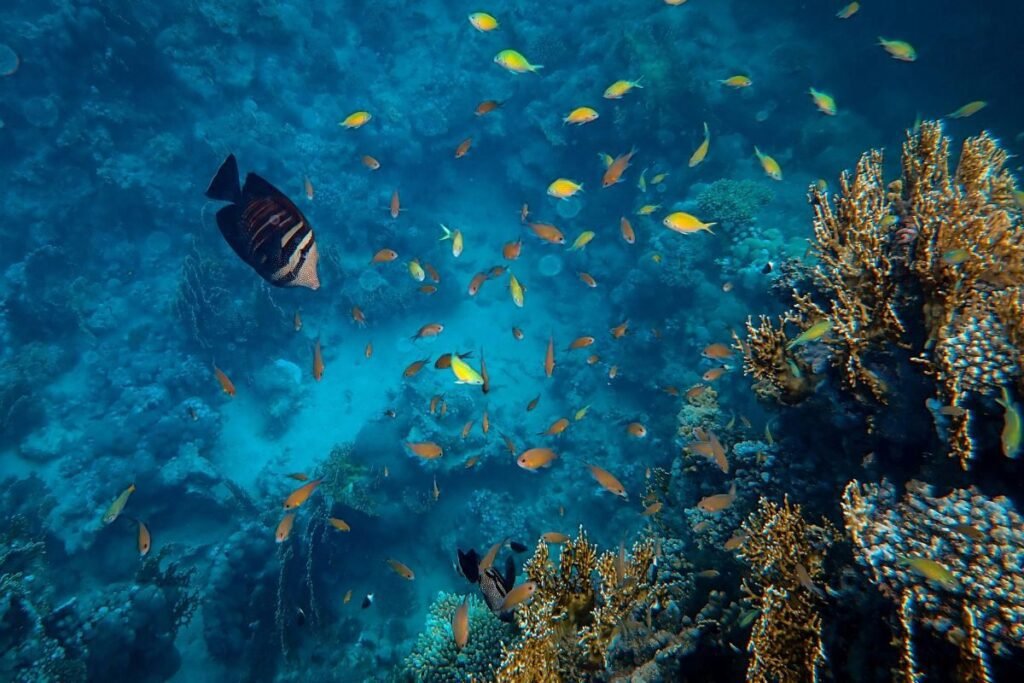
Abu Nuhas Reef – Egypt’s “Ship Graveyard”
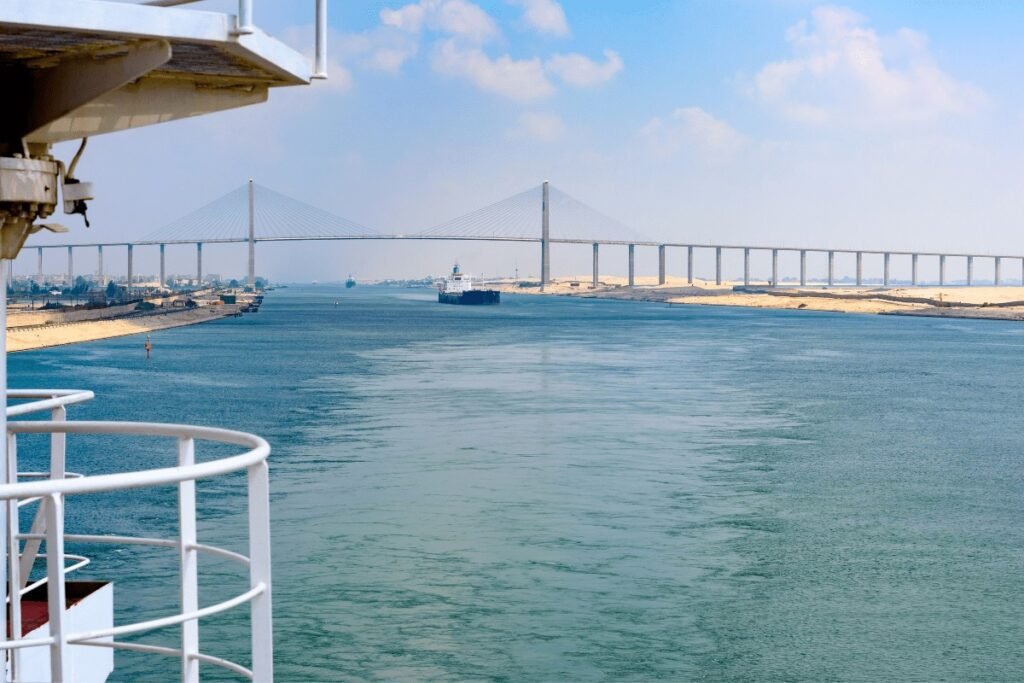
In the northern Red Sea near Shadwan Island lies Sha’ab Abu Nuhas, a notorious reef known as the “Ships’ Graveyard” for good reason. This triangular reef lurks just below the surface along a busy shipping route out of the Suez Canal, and over the decades it has claimed at least five ships now resting on the seabed. Four of these wrecks sit within recreational diving depth (15–30 m), conveniently close to each other, making Abu Nuhas a paradise for wreck enthusiasts. (A fifth wreck, the Seastar, lies in 90 m and is seldom dived.) The abundance of wrecks here is largely due to navigation hazards – ships exiting the narrow Gulf of Suez would relax too soon, only to be caught by Abu Nuhas reef’s shallow plateau and tricky currents. The result is an underwater archaeological park of shipwrecks from different eras, all in one place.
Key wrecks of Abu Nuhas include:
- Carnatic (sank 1869) – A British P&O steamship en route to India, carrying gold and wine. It struck the reef and, after a day teetering on the rocks, broke in two and sank to ~24 m depth. Remarkably, salvage crews recovered all its gold just weeks later, but the sea claimed 31 lives during the incident. After over 150 years underwater, the Carnatic’s wooden decks are gone, exposing a skeletal iron hull now draped in soft corals. Diving it feels like entering a giant whale ribcage, with glassfish and sweepers filling the interior gloom and the occasional batfish hovering about. Bright pink and purple soft corals cling to the wreck, along with nudibranchs inching along the beams. (Watch your knees – many ancient wine bottles still lie scattered in the debris here.)
- Giannis D (sank 1983) – A 100 m long Greek cargo ship (carrying timber) that hit Abu Nuhas at full speed. It broke apart upon sinking, but the bow and stern sections remain largely intact in 10–24 m of water. The stern lies on its port side and contains an easy-to-access engine room at ~13 m, often engulfed in clouds of glassfish. Penetrating the corridors, divers frequently find giant moray eels and octopus hiding in crevices. The front half of Giannis D has a picturesque mast that nearly reaches the surface at 4 m – a great spot to do your safety stop while observing scorpionfish, gobies, and nudibranchs on the mast’s corals. This wreck’s shallow portions and prolific fish life make it popular and suitable even for intermediate divers.
- Chrisoula K (sank 1981) – A Greek freighter known as the “Tile Wreck” for its cargo of Italian floor tiles. It lies more or less upright with its bow in very shallow water (~3 m) and stern at 26 m. The hull is gradually deteriorating (the stern section is separating), but much of the ship can be explored. Hard corals encrust the superstructure, home to critters like flatworms and colorful reef fish. Divers often spot lionfish and Arabian Picasso triggerfish cruising around the wreck, and occasionally wild dolphins have been seen passing by this site. Chrisoula K offers plenty of swim-throughs between fallen beams – just be mindful of sharp metal and the jumble of tiles on the seafloor.
- Kimon M (sank 1978) – A 120 m cargo vessel (nicknamed the “Lentil Wreck” for its spilled load of lentils) that also fell victim to the reef. Initially it perched on the reef, but later slid off; now the wreck rests on its starboard side with the stern down at 32 m and the bow around 15 m. Much of its machinery and cargo was salvaged after the sinking, leaving behind a spacious hull framework. Kimon M tends to be the deepest dive of the Abu Nuhas quartet, appealing to experienced divers who want to venture a bit deeper. Inside, you might encounter a few species of pipefish hiding among the wreckage. Strong currents at depth can make this dive challenging, but on calm days it’s a fascinating exploration of a more “modern” wreck.
Together, these wrecks paint a vivid picture of maritime history – from a Victorian-era steamer to 20th-century freighters. Exploring Abu Nuhas truly feels like touring an open-air (or rather, open-water) museum of ships. Each wreck has its own story and ecosystem, yet they are all within a short boat ride of each other.
Diving conditions: Abu Nuhas dives range from 5 m down to ~30+ m maximum. Visibility is typically 20–30 m, and the water temperature ranges about 22°C in winter to 28°C in summer – comfortable year-round diving. Currents can be strong, especially on the exposed northern side where these wrecks lie. Surface conditions can also be choppy due to wind and the reef’s location in the channel. Boats usually moor in the lee and use zodiacs (tenders) to drop divers near the wrecks for entry. Because the wrecks are relatively shallow (particularly Carnatic and Giannis D), even snorkelers can sometimes glimpse parts of them in calm conditions. Still, most visitors are scuba divers keen to do multi-level dives – often two or three wrecks in a day. Abu Nuhas can be accessed via day trip (~2.5–3 hours by boat from Hurghada or El Gouna) or on northern Red Sea liveaboards. Given the potential for currents and the overhead environments inside these wrecks, divers should ideally have some wreck or deep diving experience. With proper precautions, Abu Nuhas offers an unparalleled wreck diving safari, where you surface from one historic wreck and immediately prepare to descend on the next.
Red Sea Diving Destinations in Egypt: What Each Town Offers
Egypt’s Red Sea coastline is dotted with resort towns, each serving as a gateway to underwater wonders and offering its own mix of topside attractions. From the bustling nightlife of Sharm El Sheikh to the chilled-out shores of Dahab, and from the family-friendly reefs of Hurghada to the remote reefs near Marsa Alam, there’s a destination for every traveler’s taste. Below is an overview of the major Red Sea towns in Egypt, highlighting diving experiences, cultural or natural attractions, relaxation spots, and nightlife.
Sharm El Sheikh – World-Class Diving and Vibrant Resort Life
Diving: Sharm El Sheikh sits at the southern tip of the Sinai Peninsula and is famed as a dive mecca. It offers day-boat access to Ras Mohammed National Park, where you can dive breathtaking coral walls and drift along currents amid schools of fish and reef sharks. The nearby Straits of Tiran feature four coral atolls that create exhilarating drift dives teeming with colorful reefs and big pelagics – great for adventure divers who enjoy a bit of current. Sharm is also the jumping-off point for the SS Thistlegorm and Dunraven wreck dives, usually run as full-day trips or overnight excursions. With its variety of sites, Sharm caters to all levels: shallow sandy sites in Na’ama Bay for beginners, and advanced deep or drift sites for seasoned divers. The marine life is rich; divers often encounter turtles, Napoleon wrasse, barracuda, jackfish, and in summer even the occasional whale shark or hammerhead in the blue. Visibility is generally excellent year-round (often 20–30 m or more), and water temperatures range from ~22°C in winter up to 28–29°C in late summer – making diving possible year-round, with peak conditions in spring and autumn.
Above water: Sharm El Sheikh is the most developed and cosmopolitan of Sinai’s resorts, so it’s not just about diving. The town has modern amenities, shopping districts, and a variety of activities. By day, many enjoy relaxing at Na’ama Bay’s sandy beach or taking boat trips to White Island (a picturesque sandbar in Ras Mohammed). For a taste of local culture, visitors can wander the Old Market (Sharm al-Maya) area, notable for its beautiful Al Sahaba Mosque (with ornate Ottoman-style architecture) and authentic Egyptian cafes. Although Sharm lacks ancient monuments (it was merely a fishing village until the late 20th century), its strategic location allows excursions to the Sinai desert. Travelers can take a trip to Mount Sinai and St. Catherine’s Monastery (about 2–3 hours away) to experience a bit of regional history and stunning sunrise views from the mountain where Moses is said to have received the Ten Commandments. For lighter adventure, desert safaris by jeep, ATV quad biking, or camel rides into the sunset are popular – giving a glimpse of the rugged landscapes behind the coast.
Relaxation and nightlife: As a full-fledged resort city, Sharm excels in both relaxation and nightlife. It boasts countless resorts and hotels, from family-oriented all-inclusives to high-end luxury properties with private beaches and spas. After a day of diving or sunbathing, the town comes alive at night. Na’ama Bay’s promenade and Soho Square are hubs of activity, lined with open-air restaurants, shisha lounges, and nightclubs. You can dine on fresh seafood by the water or enjoy international cuisine, then dance the night away at clubs like Pacha or Space. Sharm’s nightlife is arguably the most vibrant on the Red Sea – featuring everything from beach parties and live music venues to cultural performances. For instance, places like the Farsha Café offer a bohemian cliff-side lounge experience, while the bustling Soho Square hosts family-friendly entertainment, ice skating, and fountain shows. In short, Sharm El Sheikh offers a well-rounded experience: thrilling dives by day and a lively social scene by night.
Hurghada – Easy Reefs, Wrecks and Family-Friendly Fun
Diving: Located on the mainland coast, Hurghada is Egypt’s original Red Sea resort town and a renowned dive destination. It offers ideal conditions for learning to dive – shallow, sheltered reefs in the local area make perfect training sites for beginners. Indeed, many first-time divers do their courses in Hurghada’s calm bays and house reefs. But Hurghada isn’t just for novices; experienced divers will also find plenty to explore. Offshore reefs like Giftun Island, Abu Ramada, and Carless Reef offer stunning coral gardens, drop-offs, and caverns with abundant marine life. There are also wrecks accessible from Hurghada: a short trip north leads to El Gouna and Sha’ab Abu Nuhas, where advanced divers can tackle the famous wrecks Giannis D, Carnatic, and others (as discussed above). To the south, day boats visit sites near Safaga like Panorama Reef and the Salem Express wreck (a solemn site). For the truly adventurous, Hurghada is a common departure port for liveaboards venturing to the Brothers Islands in the mid-Red Sea, which feature shark encounters and big walls. Marine life in Hurghada’s local sites includes dolphins, moray eels, stingrays (bluespotted and eagle rays), schools of snappers and goatfish, and macro critters like nudibranchs and pipefish. It’s not unusual to find resident giant Napoleon wrasse or humphead parrotfish on certain reefs. Visibility is typically great (20 m or more), and water temps similar to Sharm (low 20s °C in winter, high 20s in summer). Overall, Hurghada “has it all” – from shallow coral gardens to impressive wrecks – making it a versatile base for divers of all levels.

Above water: Once a small fishing village, Hurghada has transformed into a sprawling seaside city devoted to tourism. It stretches for about 40 km along the coast, lined with over 100 hotels. The town is broadly split into areas: El Dahar (the old downtown) retains an Egyptian feel with local markets, a notable mosque, and traditional cafes, whereas Sakkala and the Marina district form the modern center with shops, restaurants, and a scenic harbor. Visitors can check out the Hurghada Grand Aquarium – a popular attraction for families to experience Red Sea marine life without getting wet. A new Hurghada Museum opened recently, showcasing artifacts of Egyptian history (handy for a cultural fix without flying to Cairo). For those looking to venture beyond the beach, desert safaris to meet Bedouin communities or day trips to Luxor (to see pharaonic temples) are doable – Hurghada’s tour operators run long but rewarding day excursions to the Nile Valley. However, most visitors here are content with sun and sea activities. Hurghada has numerous boat excursions: snorkeling trips to Giftun Island (Mahmya and Orange Bay beaches) are very popular, offering powdery sand and turquoise water akin to a tropical island. There’s even a submarine tour in Hurghada, which takes guests 20 m underwater in a tourist submersible to see reefs and fish – great for non-divers and kids.
Relaxation and nightlife: Hurghada is known for its all-inclusive resorts that cater especially well to families and travelers on a package holiday. These resorts feature extensive pools, private beach fronts, and often their own house reefs or marinas. Many resorts have kids’ clubs, water slides, and nightly entertainment, making Hurghada extremely family-friendly. For instance, resorts in Makadi Bay or Sahl Hasheesh (just south of the city) offer tranquil upscale environments with spas and golf courses, while El Gouna (20 km north) is an upmarket enclave built around lagoons, known for its boutique hotels, kite-surfing, and chic marina. After sunset, Hurghada offers a lively but slightly more laid-back nightlife compared to Sharm. Along Sheraton Road and at the Hurghada Marina Boulevard, you’ll find a variety of bars, lounges, and clubs where tourists and locals mingle. Venues range from elegant rooftop bars to bouncing nightclubs (some popular names over the years include Ministry of Sound Beach Club, Little Buddha, and Papas Beach Club). There’s also the traditional “Alf Leila Wa Leila” show – a sound-and-light evening with belly dancing and horse riding acrobatics that gives a 1001 Nights vibe. For families, many evening options are catered in-resort, but strolling the Marina for ice cream or watching the musical fountain at El Gouna’s downtown are relaxed alternatives. In summary, Hurghada is an all-rounder destination: it offers abundant easy diving, lots of activities, and a balance of relaxation and nightlife. It’s especially beloved by families and beginner divers, but has enough on offer (like wrecks and liveaboards) to keep advanced divers happy too.
Dahab – Laid-Back Vibes and Legendary Shore Dives
Diving: In stark contrast to the big resorts, Dahab is a smaller town with a bohemian soul, located in the Sinai on the Gulf of Aqaba. It’s famous for its shore diving – here you can literally walk into the sea from the beach and be on a coral reef within minutes. Dahab’s most celebrated site is the Blue Hole, a deep sapphire sinkhole just north of town. This site is ringed by coral and drops straight down over 100 m; it’s known as “The World’s Most Dangerous Diving Site” due to past accidents by those who exceeded limits, but dived responsibly it’s a marvel. Recreational divers typically explore the Blue Hole’s rim and the adjacent El Bells wall (an incredible chimney-like descent in the reef that opens onto a wall dive leading into the Blue Hole). Technical divers come to attempt the infamous archway at ~55 m. Also, Dahab is mecca for freedivers who train in the Blue Hole’s calm, deep waters – it’s common to see them on single breaths plunging into the blue abyss. Beyond Blue Hole, Dahab has numerous other shore dives: the Canyon, where you can swim through a winding crack in the seabed; Lighthouse Reef in town, great for training; Eel Garden, named for its field of garden eels; and Islands reef, a maze-like coral structure. Marine life isn’t as “big” as Ras Mohammed, but the reefs are healthy – expect clouds of orange anthias and fusilier fish, elegant lionfish, morays, octopus, scorpionfish, and small groupers. Occasionally turtles or eagle rays visit, and in the blue you might spot trevally or barracuda hunting. Diving in Dahab is generally very relaxed: gentle conditions, little current, and warm temperatures, especially in summer when the shallow gulf can reach 27–28°C. Many dives are relatively shallow (ideal for long, easy dives), though sites like the Canyon or Bells drop-off can hit 30 m or more. Dahab is also notable for its diving freedom – experienced divers often enjoy the option to dive with a buddy without a guide, something the local dive centers accommodate (provided you have proof of experience). It’s a fantastic place for diving on your own schedule, racking up dozens of dives, or taking advanced courses like tech diving or freediving certification.
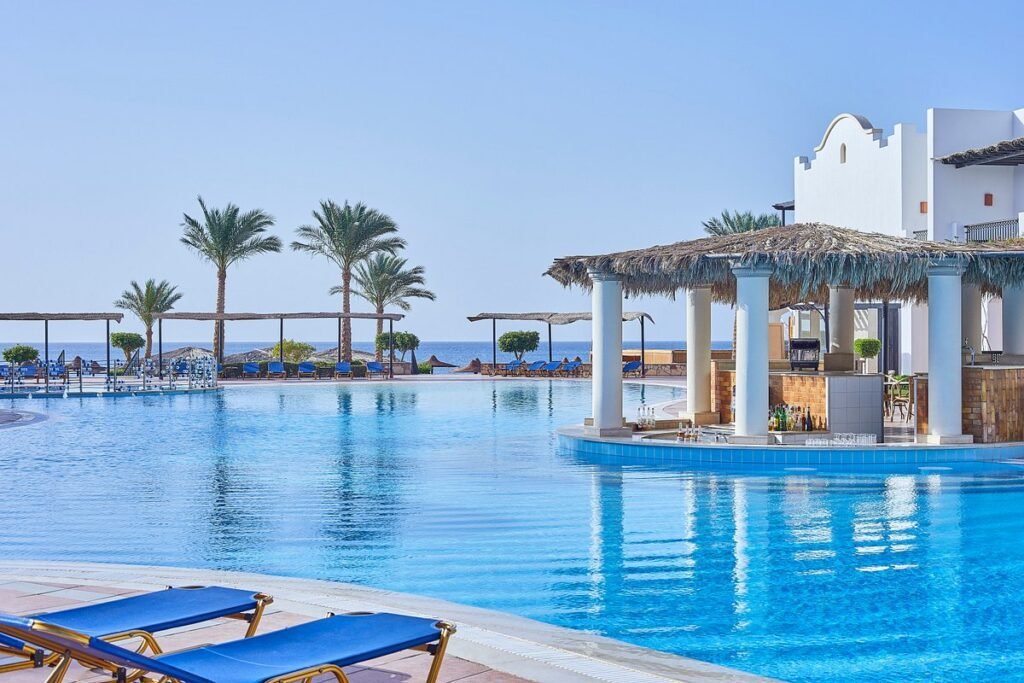
Above water: Dahab’s allure is its chilled atmosphere. Formerly a Bedouin fishing village, Dahab has grown but still maintains a rustic charm. The name “Dahab” means “gold” in Arabic – some say it refers to the golden sands, others to the golden moments of tranquility that make you lose track of time. In fact, local lore claims the Bedouin called this place “Waqaat Thahaab” (Time Goes) because it’s so easy to spend leisurely days here that time slips away unnoticed. The town is essentially one long beachfront promenade (in the Masbat area) lined with open-air cafés, dive shops, and bazaars. Days in Dahab tend to be relaxed: tourists alternate between diving, lounging on cushions at a beach café sipping mint tea or mango juice, browsing in a spice shop, or perhaps taking a yoga class. Adventure activities are available for those who want them – Dahab is world-renowned for windsurfing and kitesurfing at its Lagoona beach, where steady winds and flat water provide ideal conditions. You can also go rock climbing in the coastal mountains, or mountain biking on desert trails. By night, Dahab remains laid-back: there’s a modest nightlife of small bars and gathering spots, but nothing like the big clubs of Hurghada or Sharm. It’s more common to see people enjoying a Bedouin dinner under the stars, or listening to live music at a beachfront bar, or even having an impromptu party by a campfire. Dahab’s cultural vibe is a blend of Bedouin hospitality and backpacker international – you’ll meet local Sinai Bedouins selling handcrafted jewelry and also a community of expats and dive professionals who now call Dahab home.
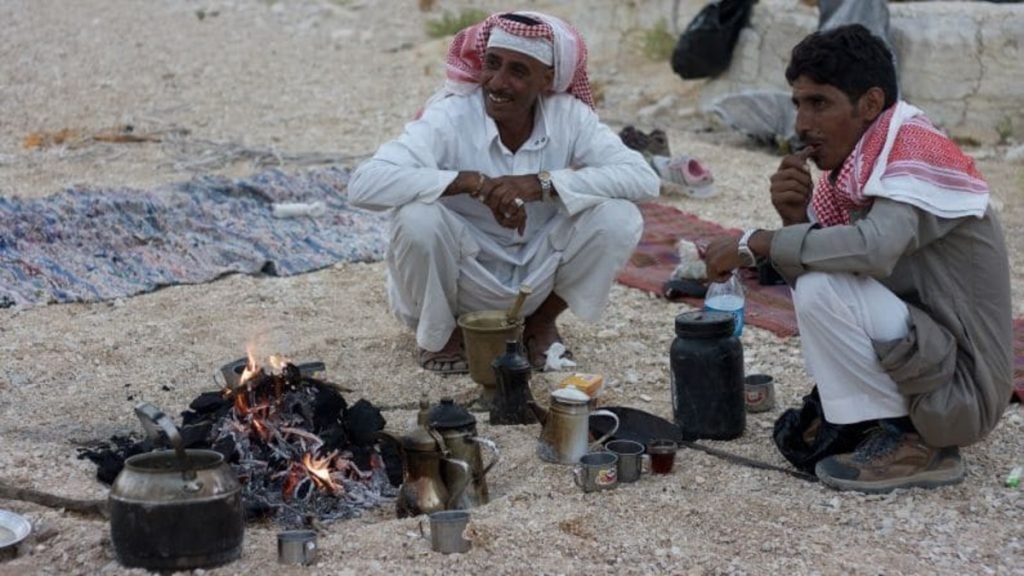
Despite its size, Dahab has access to some cultural excursions. A popular overnight (or very early morning) trip is to Mount Sinai and St. Catherine’s Monastery, similar to from Sharm, since Dahab is only about 2 hours’ drive away. Climbing the mountain for sunrise and visiting the ancient monastery at its foot is a memorable side trip from a Dahab stay. Closer to town, you can ride a camel or quad bike into the starkly beautiful Wadi Qunai or Blue Lagoon areas. Many visitors also spend an evening at a Bedouin camp in the hills, learning about traditional customs under a star-filled sky.
Who is it for: Dahab is perfect for those who want a simpler, more low-key dive holiday. It draws a mix of backpackers, solo travelers, and diving enthusiasts – particularly technical divers and freedivers who come for the Blue Hole’s challenges. Accommodations range from hostels and beach camps to a handful of mid-range resorts, but even the fancier hotels here feel mellow and in tune with Dahab’s spirit. Families and casual tourists also enjoy Dahab for its safe, friendly feel, though the lack of big resorts means it caters more to independent travelers. In Dahab, you won’t find nightclubs or huge malls, but you will find an inviting Red Sea village vibe where the reef is your playground and each day ends around a communal table with new friends. It’s this atmosphere, along with legendary dive sites, that keeps visitors returning to Dahab – often turning a planned 3-day stay into 3 weeks (as the saying goes, in Dahab, time truly flies).
Marsa Alam – Pristine Reefs and Peaceful Getaways
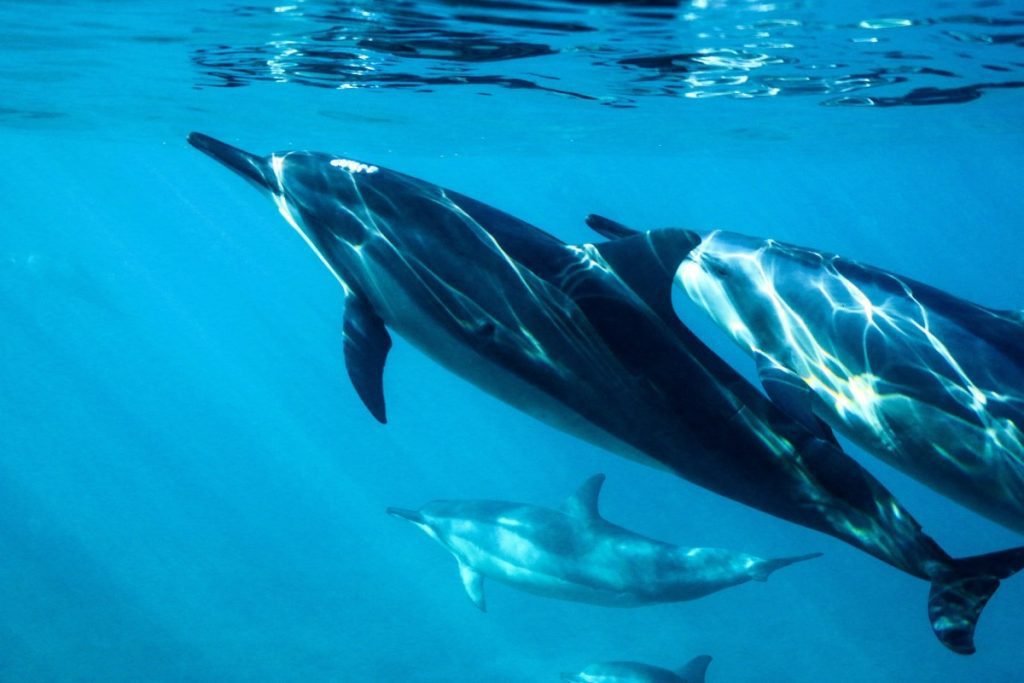
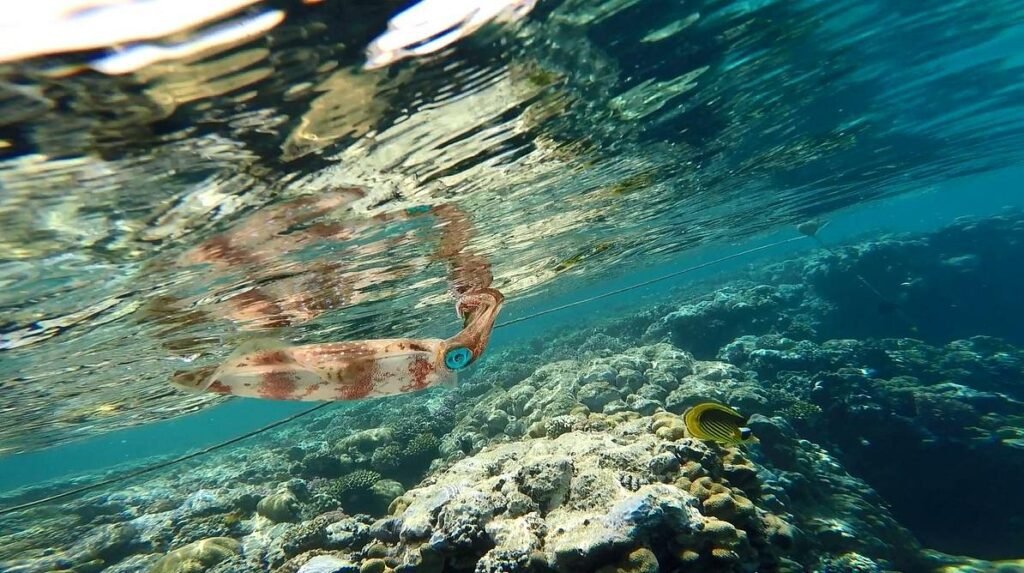
Diving: Far to the south on the Egyptian Red Sea coast, Marsa Alam is all about unspoiled nature and uncrowded dive sites. This region remained a remote outpost until the 2000s, so the reefs here are some of the healthiest in the Red Sea. Diving in Marsa Alam can be truly spectacular for those seeking marine encounters. The superstar site is Elphinstone Reef, a offshore reef famous for its oceanic white-tip sharks and seasonal hammerhead sightings – advanced divers flock here for the chance to see big sharks up close. Elphinstone offers sheer walls draped in soft corals and thrilling drift dives when currents run, but it’s usually reached by speedboat or liveaboard due to its distance from shore. Not far from Marsa Alam town are numerous shore-accessible sites: e.g. Abu Dabbab Bay, a seagrass meadow where divers and snorkelers regularly encounter green turtles and the resident dugongs (sea cows) grazing on the sea grass. This rare opportunity to see a dugong in the wild draws many nature lovers. Another highlight is the Samadai Reef (Dolphin House) near Marsa Alam, a reef lagoon frequented by a pod of spinner dolphins – snorkeling trips allow you to observe dolphins in their natural habitat. Further south, the Fury Shoals (St. John’s area) boast maze-like hard coral formations, swim-throughs, and prolific reef fish, often visited on liveaboards or long-range boat trips. In Marsa Alam’s vicinity you’ll also find unique sites like Sha’ab Samadaei (with underwater pinnacles and caves) and El Nayzak (a natural pool by the shore). Marine life in general is abundant: expect reef sharks, schools of jackfish and barracuda, bumphead parrotfish, eagle rays, napoleons, and healthy hard and soft corals in every color. The absence of mass tourism means many dives you won’t see another group underwater – a big draw for experienced divers and UW photographers. Some dive resorts in this area have fantastic house reefs where you can dive any time, day or night, straight from the beach and see reef sharks or dolphins passing by. Marsa Alam is also a top choice for liveaboard departures exploring the southern Red Sea (Daedalus Reef, St. John’s, Zabargad, etc.), which feature walls, pelagic fish, and even wrecks like the wreck of the Numidia (at Big Brother island). Diving conditions here: water is very clear and warm (often a tad warmer than the northern Red Sea), with summer water temps around 30°C and winter not usually below 24°C. Visibility can exceed 30 m on offshore reefs . Some sites have strong currents (Elphinstone, Daedalus), but many coastal sites are gentle. Because of the occasional currents and the remote nature, Marsa Alam diving is often best for intermediate to advanced divers, but there are also calm bays perfect for learners (many dive courses take place at house reefs or Abu Dabbab).
Above water: Marsa Alam town itself is a small, quiet settlement – a far cry from the bustle of Sharm or Hurghada. The appeal here isn’t museums or nightlife, but the natural beauty and tranquility. The coastline around Marsa Alam is fringed with mangroves, palm groves, and desert wilderness. Just inland lies the Wadi el-Gemal National Park, a vast desert wilderness with canyons, an oasis, and even the ruins of ancient Roman emerald mines. Visitors can take a 4×4 or camel safari into Wadi el-Gemal to see wildlife like gazelles or Nubian ibex, and to experience the stunning night skies (this area has minimal light pollution). Culturally, the nearest historic town is El Quseir (about 130 km north of Marsa Alam), an old port with a 16th-century Ottoman fort and a quaint old town – worth a day trip if you crave a bit of history. El Quseir also has its own house reefs and dive sites, as well as being another gateway to Elphinstone and the Brothers Islands via liveaboard. Back in Marsa Alam, a newer development is Port Ghalib, a modern marina resort area just north of the airport. Port Ghalib features a yacht marina, some shopping and dining, and upscale accommodations – it’s an attempt to create a mini resort town for those who want more than just a hotel. That said, the general atmosphere in the Marsa Alam region is peace and relaxation. This is the place to be if you want to disconnect. Many resorts here are isolated, self-contained along the coast, providing their own entertainment in the evenings (often low-key Bedouin-style shows or live music around a beach bonfire). There isn’t a city to go bar-hopping or shopping; instead, people unwind at their resort or swap dive stories under the stars.
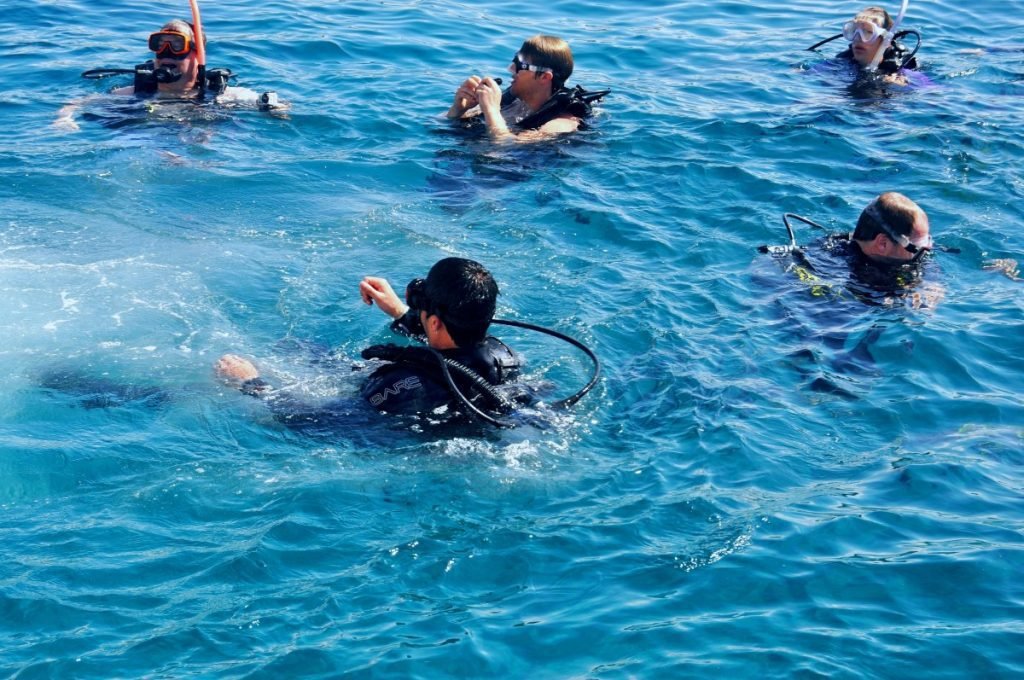
Relaxation: Marsa Alam is sometimes dubbed the “Egyptian Maldives” for its white-sand beaches and crystal-clear lagoons, as well as the high-end resorts that have popped up to take advantage of that beauty. Indeed, some resorts offer overwater villas and private beaches that cater to luxury travelers seeking seclusion. But there are also eco-lodges and simple diver camps that focus on sustainable interaction with nature. A typical day outside of diving might include lounging on an empty beach, birdwatching at a saltwater mangrove, or strolling the shore at sunset with literally no one else around. It’s that sparse. Because of the distance (it’s about 4-5 hours by road from Hurghada, though Marsa Alam has a small international airport), mass tourism is still relatively low, keeping Marsa Alam quiet. Nightlife as traditionally defined is nearly non-existent – maybe a beach bar at your hotel or a cocktail at the Port Ghalib marina. This suits visitors who prefer early nights after early mornings diving, or families looking for a safe, calm environment. Those who crave parties would be happier up north. Marsa Alam truly shines for divers and nature lovers, especially ones who value a tranquil, upscale escape. Whether you’re drifting alongside a shark at Elphinstone or just floating in your resort’s infinity pool gazing at the Red Sea, this area offers a sense of Red Sea wilderness that more developed towns can’t match.
(Other Red Sea locales: Safaga (just south of Hurghada) is another dive town known for excellent windsurfing and sites like the Salem Express wreck and Tobia Arbaa reefs, though it’s quieter with less infrastructure. El Gouna (north of Hurghada) is an upscale resort town with pretty lagoons, a golf course, and stylish nightlife – great for a relaxed holiday with some diving on the side. Further north in Sinai, Taba and Nuweiba offer diving as well, but tourism there is much smaller scale nowadays. For the purposes of most travelers, the main four – Sharm, Hurghada, Dahab, Marsa Alam – cover the spectrum of experiences.)

Choosing the Right Red Sea Destination for Your Interests
Every traveler is different, so here are some tailored recommendations for Red Sea dive destinations based on interests:
• For Adventure Diving: If you crave adrenaline-pumping dives (strong currents, deep walls, big pelagics), consider Sharm El Sheikh for its fast drifts at Tiran and shark-filled sites at Ras Mohammed. Marsa Alam is ideal too – it offers challenging offshore reefs like Elphinstone with oceanic sharks. Technical divers and freedivers will love Dahab, thanks to the famous Blue Hole and Canyon, which are playgrounds for advanced diving disciplines. Also, think about a liveaboard trip from Hurghada or Marsa Alam to hit the Brother Islands or Daedalus Reef, where hammerheads and huge schools of fish await intrepid divers.
• For Luxury and Relaxation: If your idea of a perfect trip involves pampering and ease, Sharm El Sheikh has numerous five-star resorts, gourmet restaurants, and lively entertainment – you can dive in the morning and enjoy a spa or fine dining at night. For an exclusive vibe, El Gouna (near Hurghada) is a top pick – this private resort town has elegant hotels, a marina full of yachts, trendy bars and eateries, and even a golf course. It’s like a mini upscale village by the sea. Marsa Alam region boasts some high-end beachfront properties where you’ll feel a world away from crowds – it’s nicknamed the “Egyptian Maldives” for its serene, beautiful beaches and over-water bungalows. Here, you can combine luxury with pristine diving on untouched reefs. Even Soma Bay or Sahl Hasheesh (south of Hurghada) offer luxury resorts with private bays and house reefs. These spots are perfect for couples’ getaways or anyone looking to balance spectacular nature with comfort and exclusivity.
• For Families and New Divers: Hurghada is arguably the best all-around family destination on the Red Sea. It has numerous family-friendly resorts equipped with kids’ pools, water parks, and kids’ clubs. Shallow coral gardens and resort reefs are great for junior snorkelers, and even young divers (some resorts have programs for kids to intro-dive in the pool). Activities like the Hurghada Aquarium, submarine rides, and beach playgrounds ensure the little ones are never bored. Sharm El Sheikh also caters well to families, with hotels offering childcare and fun excursions (like glass-bottom boats or the Aqua Blue Water Park). The presence of international fast food, pharmacies, and medical centers in these towns adds peace of mind for parents. For a quieter family trip focused on nature, Marsa Alam can be suitable if your kids are comfortable with snorkeling – seeing turtles at Abu Dabbab or dolphins at Samadai can be unforgettable family moments. However, keep in mind the remote setting means relying on in-resort entertainment. Dahab, with its easy shore entry dives and mellow vibe, can be good for families with older kids or teens who dive, though it lacks child-specific facilities. Overall, Hurghada and Sharm stand out for family convenience, while still offering gentle dive sites for beginners to learn and for parents to enjoy. These destinations have a mix of gentle reefs, beaches, and off-water fun that make them excellent for a family holiday.
In conclusion, the Egyptian Red Sea offers a rich tapestry of experiences – whether you’re delving into the history of a sunken WWII ship, drifting alongside sharks on a coral wall, soaking up the sun at an all-inclusive resort, or sipping tea in a Bedouin lounge by the sea. The SS Thistlegorm and Abu Nuhas wrecks showcase the Red Sea’s unique blend of history and marine life, essentially acting as underwater museums. Meanwhile, each coastal town from Sharm to Marsa Alam has its own flavor, ensuring that divers and non-divers alike can find their perfect slice of paradise. With the information in this guide, you can confidently choose a Red Sea adventure that matches your interests – be it high-energy diving or laid-back family fun – and immerse yourself in all the natural beauty and cultural warmth that Egypt’s Red Sea has to offer. Safe diving and happy travels!