The Citadel Of Saladin
The Citadel of Saladin: A Tapestry of Egyptian History
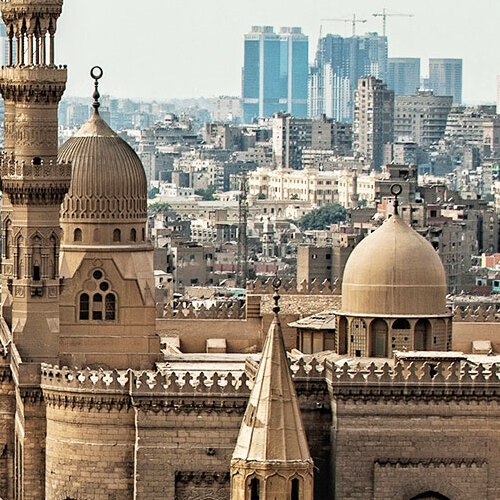
Perched atop a limestone spur in the eastern corner of Cairo, the Citadel of Saladin is a monument steeped in the annals of Egyptian history. For nearly 700 years, it served as the exclusive domain of Egyptian rulers, a fact reflected in its rich tapestry of mosques, museums, and palatial structures. These edifices, adorned with verandas offering panoramic views of the city, are now open to the public, though they require an admission fee. The journey to the Citadel, while somewhat arduous, rewards visitors with a wealth of historical and architectural marvels.
Construction of the Citadel began in 1176 under the aegis of Saladin, primarily as a defensive bulwark against Crusaders in the Palestine region. The subsequent rise of the Mamluks, who overthrew Saladin’s Ayyubid dynasty, heralded an era of expansion for the Citadel. Under their reign, the complex was enhanced with the addition of lavish harems and palaces.
In 1517, the Ottomans seized control from the Mamluks. They fortified the Citadel further, adding the Bab al-Azab, a new main gate, but allowed the Mamluk palaces to fall into decay. Napoleon Bonaparte’s philosophers, upon occupying Cairo in 1798, lauded the Citadel’s buildings as some of Cairo’s most exquisite Islamic monuments.
However, the Citadel underwent a significant transformation under Mohammed Ali, who succeeded the French. He introduced mosques with Turkish designs, a style that remains prominent throughout Cairo to this day. Following his grandson Ismail’s relocation of the royal residence to Abdeen Palace, the Citadel was repurposed as a military outpost. During World War II, it served as barracks for British soldiers. Today, while there is still a residual Egyptian military presence, most of the Citadel has been converted for tourist exploration, offering a vivid window into the layers of history that have shaped this iconic landmark.
Created On March 18, 2020
Updated On July 22 , 2025
- Al-Azhar Mosque
- Al-Azhar To The Citadel
- Amir Taz Palace
- Aqsunur’s Mosque
- Bab Zuweila
- Beit Al-Harrawi
- Beit Al-Suhaymi (Al-Suhaymi House)
- Beit Zeinab al-Khatoun
- Bein al-Qasreen STREET (Between The Two Palaces {Street})
- Ben Ezra Synagogue
- Church of St. Barbara
- Coptic Cairo
- Egyptian Textile Museum
- Gawhara Terrace
- Gayer-Anderson Museum
- Ibn Tulun Citadel
- Khan Al-Khalili Bazaar (Cairo’s Most Famous Bazaar)
- Khanqah & Mausoleum of Sultan Baybars al-Gashankir
- Khanqah-Mausoleum of Farag Ibn Barquq
- Madrassa & Mausoleum of as-Salih Ayyub
- Madrassa & Mausoleum of Qalawun
- An-Nasir Mohammed Bin Qalawoon Mosque
- Madrassa And Mausoleum of Barquq
- Mausoleum of Al-Ghouri
- Midan Al-Hussein (Sayedna Al-Hussein Square)
- Mosque of Al-Hakim
- Mosque of Al-Mu’ayyad Shaykh
- Mosque of al-Aqmar
- Mosque of Amr ibn al-As
- Mosque of An-Nasir Mohammed
- Mosque of Aslam al-Silahdar
- Mosque of Ibn Tulun
- Mosque of Mohammed Ali
- Mosque of Sayyidna al-Hussein
- Mosque-Madrassa of Al-Ghouri
- Mosque-Madrassa of Sultan Hassan
- Mosque-Madrassa of Umm Sultan Sha’aban
- Museo Mevlevi
- Museum of Islamic Art
- Northern Cemetery
- Northern Enclosure
- Northern Walls and Gates
- Sabil And Kuttab Of Abdel Rahman Katkhuda
- Sabil of Muhammed Ali Pasha
- Sharia al-Muizz li-Din Allah
- The Church of St Sergius & Bacchus
- The Citadel Of Saladin
- The Complex of Sultan Ashraf Barsbey
- The Coptic Museum (The Only Coptic Museum In Egypt)
- The Egyptian Museum
- The Hanging Church
- The Khayrbek Complex
- The Mosque of Sultan Qaitbey
- The Roman Towers
- Wikala al-Bazara
- Wikala of Al-Ghouri