Beit Al-Harrawi
Unveiling the Elegance of Beit Al-Harrawi
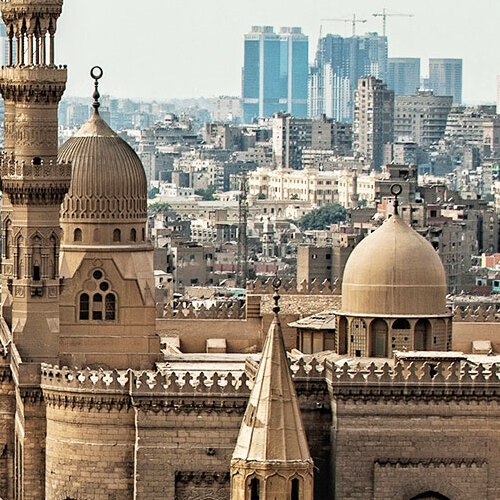
As you stand before the enchanting façade of Beit Al-Harrawi, a sense of wonder undoubtedly washes over you. This architectural gem, while captivating from the exterior, offers a unique charm that beckons exploration beyond its ornate doors. Let us embark on a journey to uncover the hidden treasures within.
This historic edifice is not merely a feast for the eyes from the outside; it conceals a world of cultural significance within its venerable walls. Within the confines of Beit Al-Harrawi resides the renowned Arabic Oud house, a revered institution dedicated to the preservation and celebration of musical traditions. As you step inside, you’ll find yourself immersed in a symphony of heritage and artistry.
While some may question the cost of admission, rest assured that the experience transcends mere monetary value. The opportunity to wander through the hallowed halls of Beit Al-Harrawi offers a glimpse into the heart and soul of Egypt’s musical heritage. It’s a chance to connect with the melodies and rhythms that have echoed through the ages, a true voyage of the senses.
For those seeking an even more enchanting experience, consider visiting this cultural treasure during the evening hours when it graciously opens its doors to the public. During these nocturnal sojourns, admission is often waived, allowing visitors to immerse themselves in the ambiance of Beit Al-Harrawi without constraints.
Furthermore, this distinguished venue, in tandem with Beit Zeinab al-Khatoun, frequently takes center stage as a host for captivating concerts. These events infuse the air with harmonious melodies, turning the hallowed halls into a stage for musical performances that resonate with the very soul of Egypt.
Beit Al-Harrawi, while a captivating spectacle from the outside, reveals its true magic within. It is a sanctuary of music and culture, a place where the past harmonizes with the present, inviting all who enter to partake in the symphony of Egypt’s rich heritage.
Created On March 18, 2020
Updated On July 22 , 2025
- Al-Azhar Mosque
- Al-Azhar To The Citadel
- Amir Taz Palace
- Aqsunur’s Mosque
- Bab Zuweila
- Beit Al-Harrawi
- Beit Al-Suhaymi (Al-Suhaymi House)
- Beit Zeinab al-Khatoun
- Bein al-Qasreen STREET (Between The Two Palaces {Street})
- Ben Ezra Synagogue
- Church of St. Barbara
- Coptic Cairo
- Egyptian Textile Museum
- Gawhara Terrace
- Gayer-Anderson Museum
- Ibn Tulun Citadel
- Khan Al-Khalili Bazaar (Cairo’s Most Famous Bazaar)
- Khanqah & Mausoleum of Sultan Baybars al-Gashankir
- Khanqah-Mausoleum of Farag Ibn Barquq
- Madrassa & Mausoleum of as-Salih Ayyub
- Madrassa & Mausoleum of Qalawun
- An-Nasir Mohammed Bin Qalawoon Mosque
- Madrassa And Mausoleum of Barquq
- Mausoleum of Al-Ghouri
- Midan Al-Hussein (Sayedna Al-Hussein Square)
- Mosque of Al-Hakim
- Mosque of Al-Mu’ayyad Shaykh
- Mosque of al-Aqmar
- Mosque of Amr ibn al-As
- Mosque of An-Nasir Mohammed
- Mosque of Aslam al-Silahdar
- Mosque of Ibn Tulun
- Mosque of Mohammed Ali
- Mosque of Sayyidna al-Hussein
- Mosque-Madrassa of Al-Ghouri
- Mosque-Madrassa of Sultan Hassan
- Mosque-Madrassa of Umm Sultan Sha’aban
- Museo Mevlevi
- Museum of Islamic Art
- Northern Cemetery
- Northern Enclosure
- Northern Walls and Gates
- Sabil And Kuttab Of Abdel Rahman Katkhuda
- Sabil of Muhammed Ali Pasha
- Sharia al-Muizz li-Din Allah
- The Church of St Sergius & Bacchus
- The Citadel Of Saladin
- The Complex of Sultan Ashraf Barsbey
- The Coptic Museum (The Only Coptic Museum In Egypt)
- The Egyptian Museum
- The Hanging Church
- The Khayrbek Complex
- The Mosque of Sultan Qaitbey
- The Roman Towers
- Wikala al-Bazara
- Wikala of Al-Ghouri